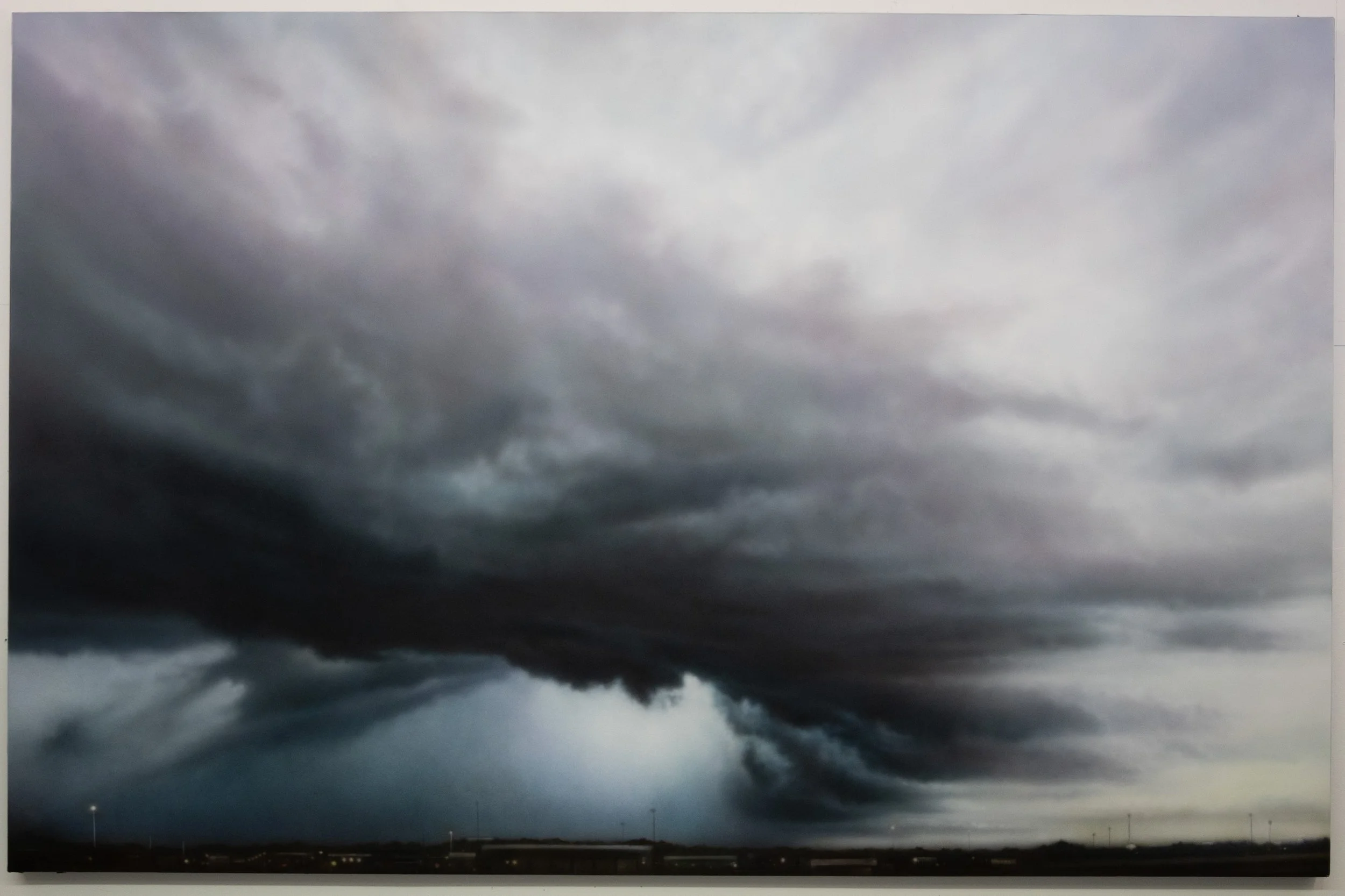
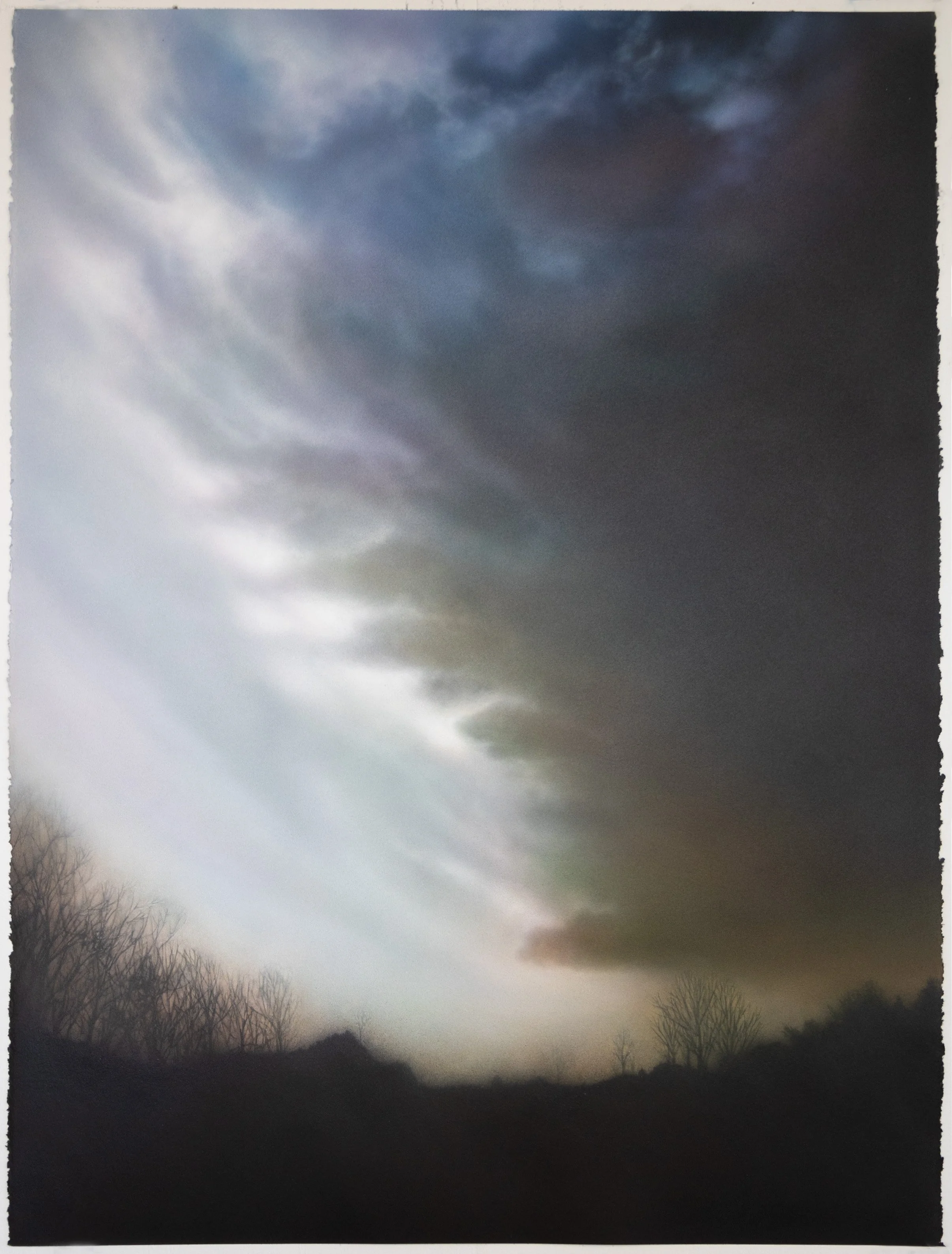
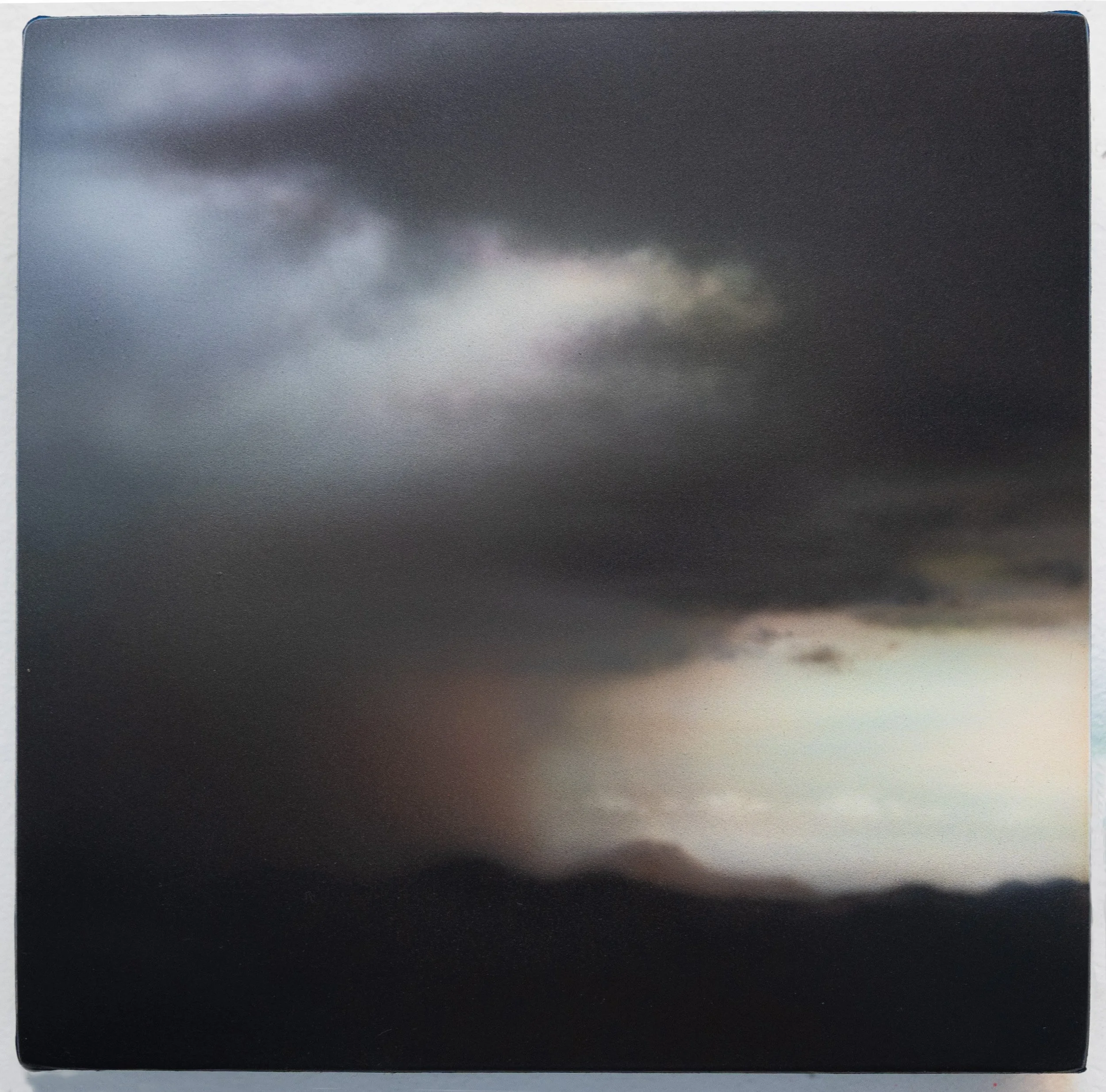
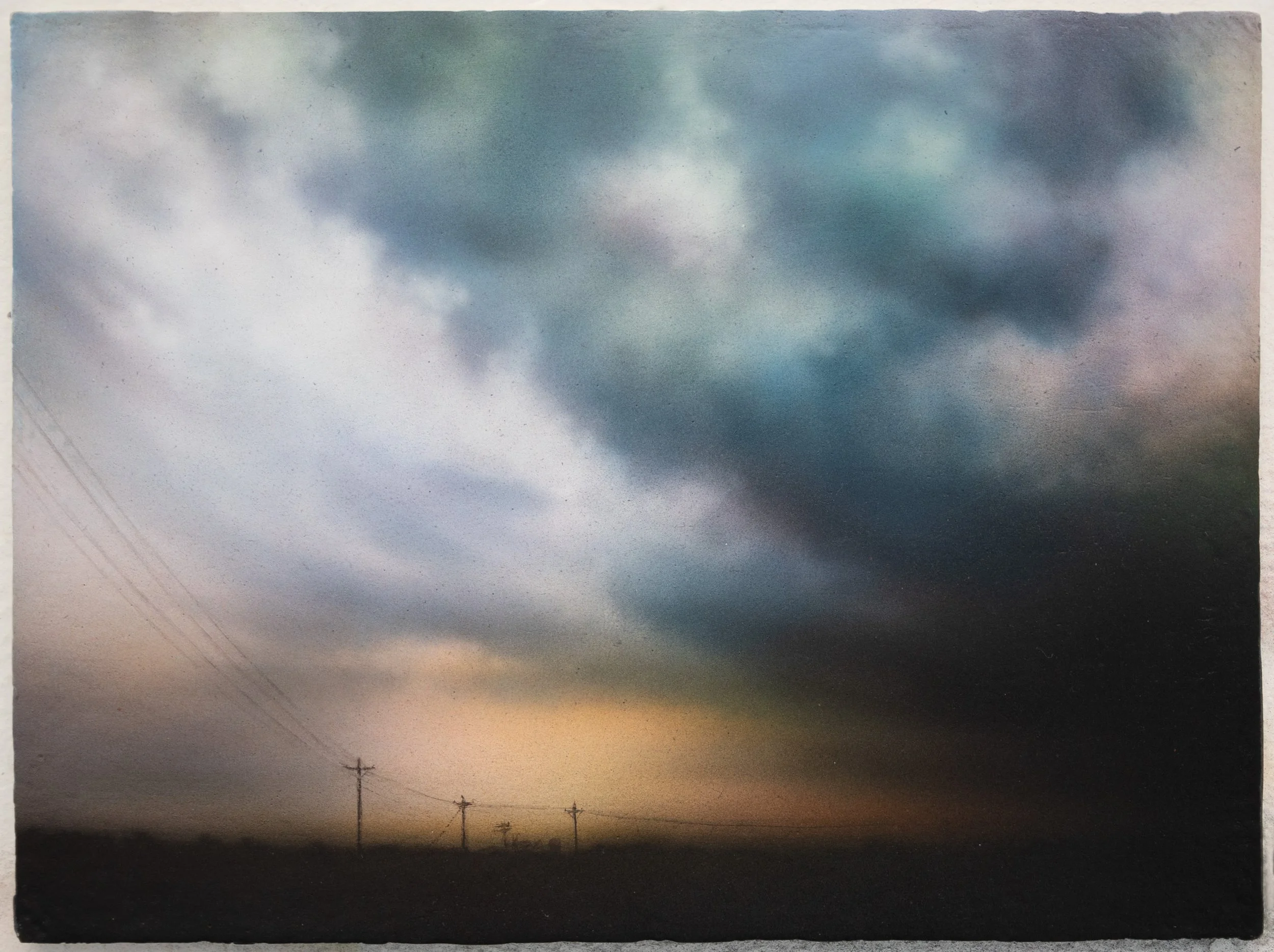
“it is a serious thing / just to be alive / on this fresh morning / in this broken world.”
― Mary Oliver, Red Bird
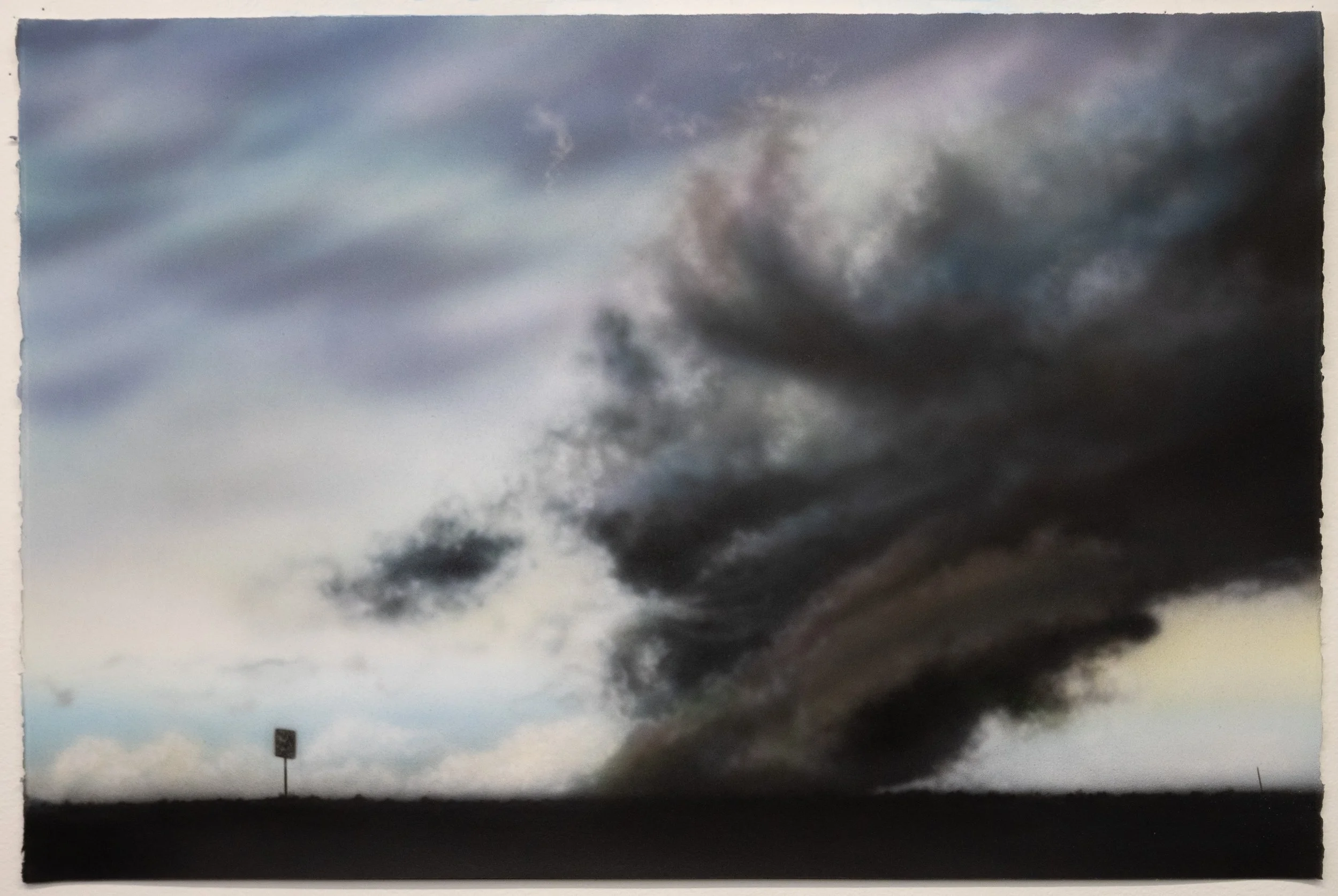
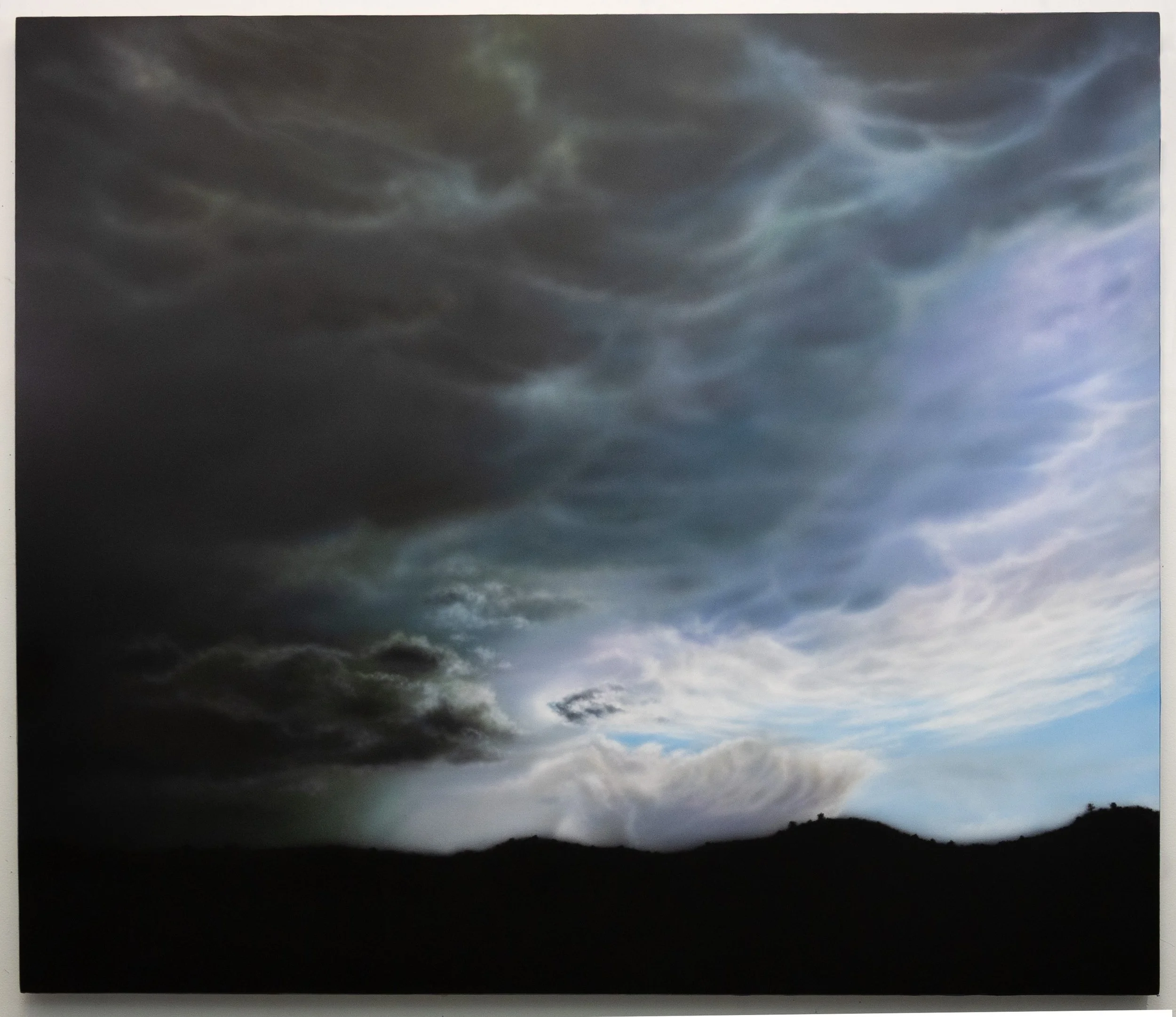
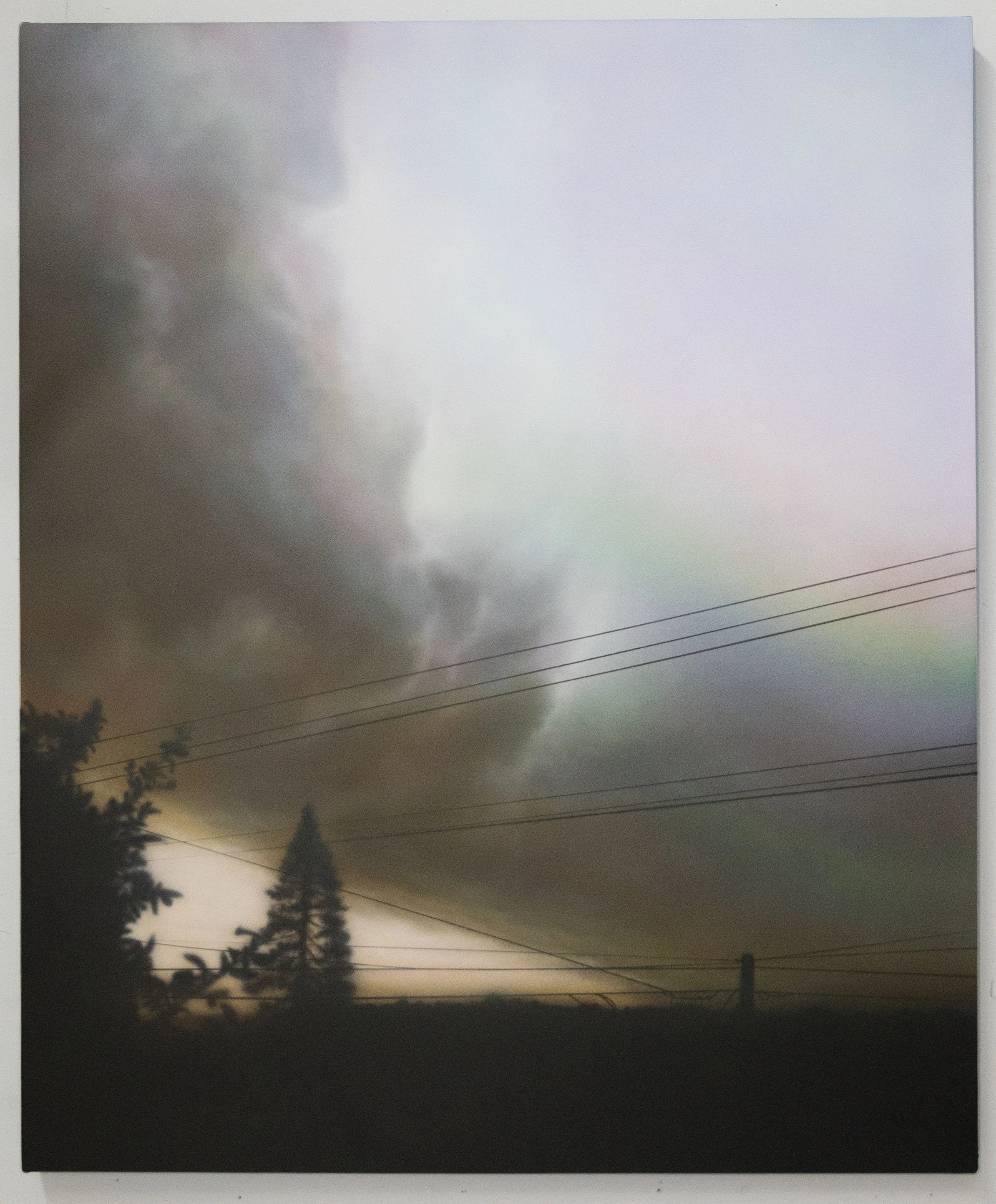
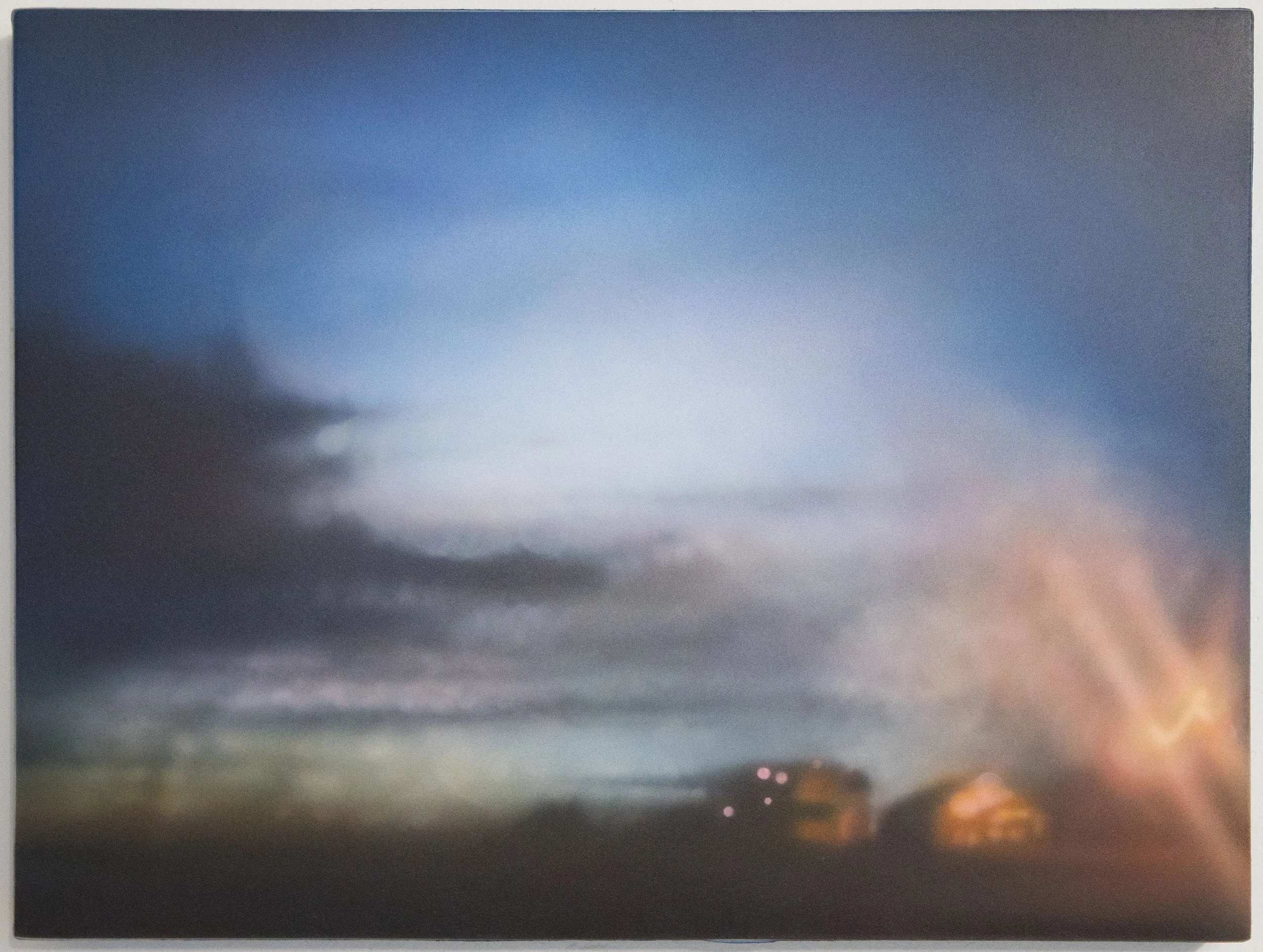
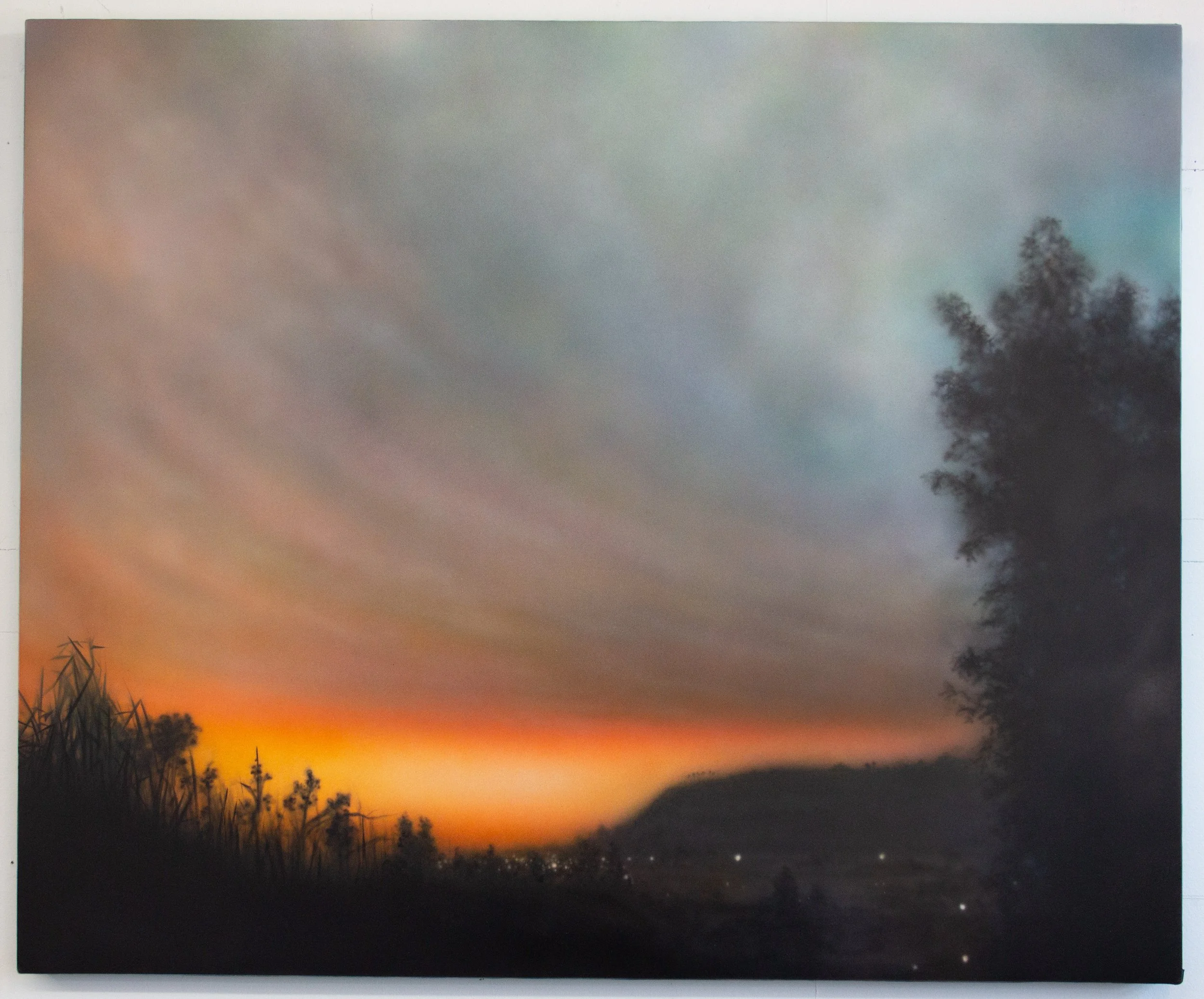
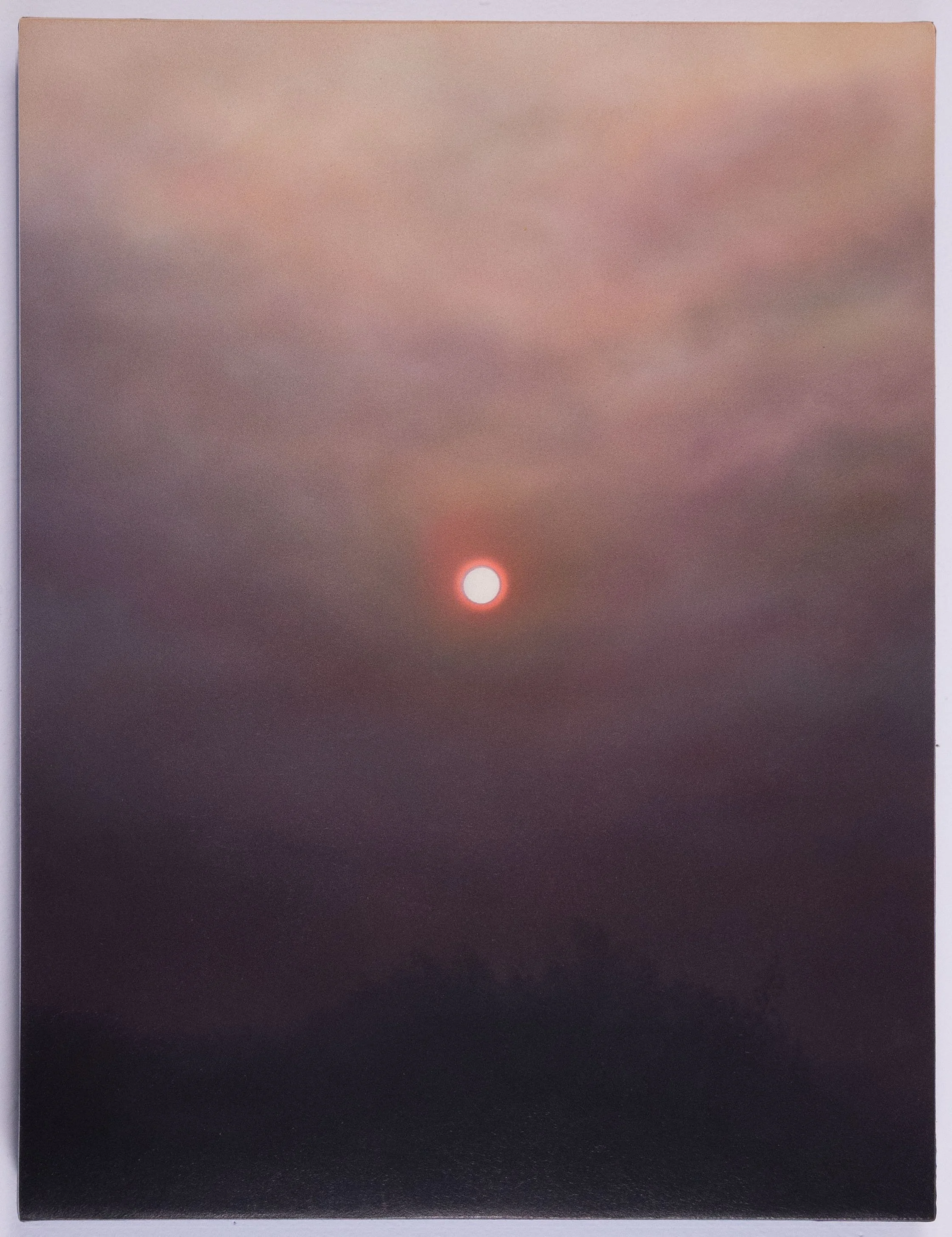
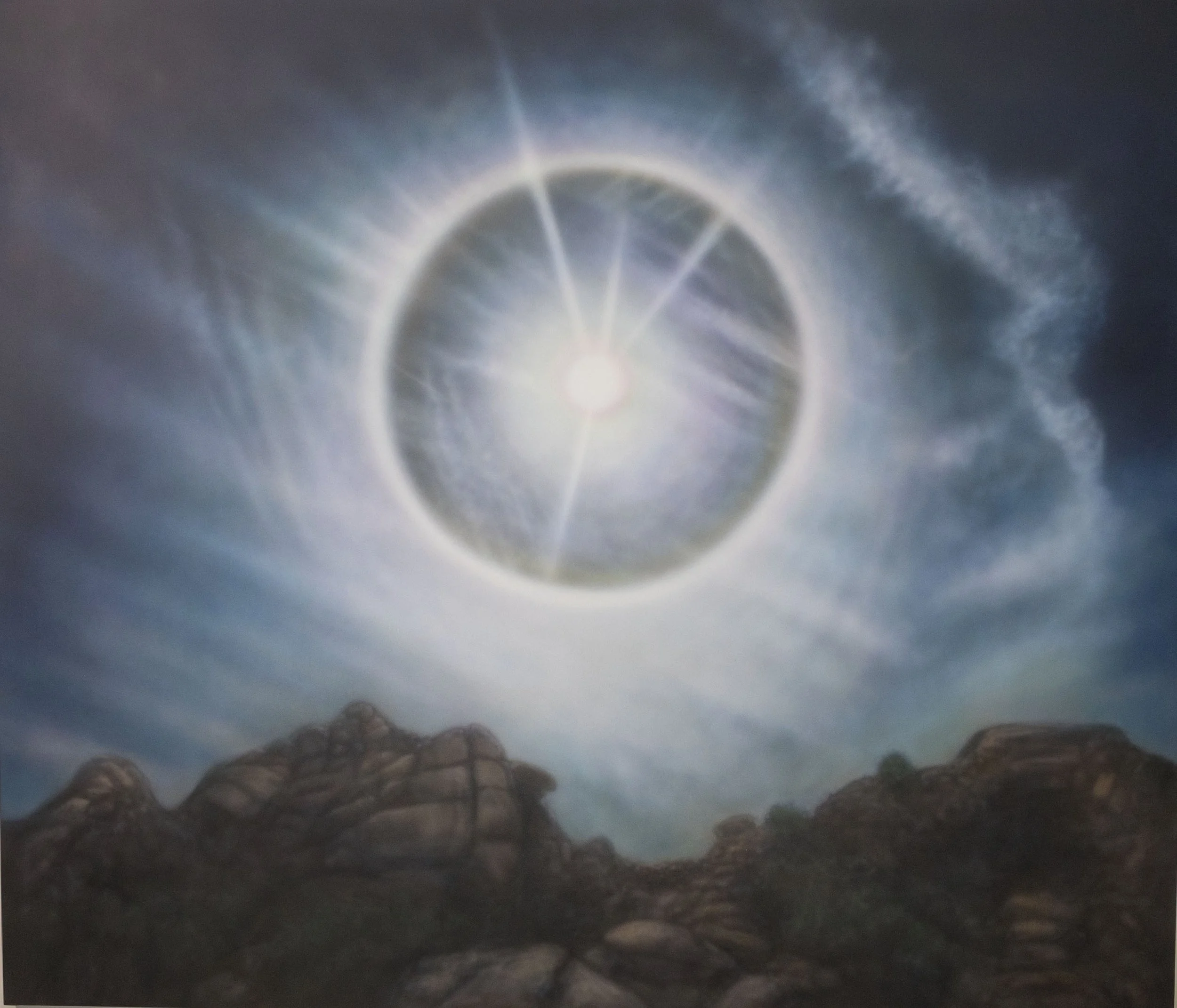
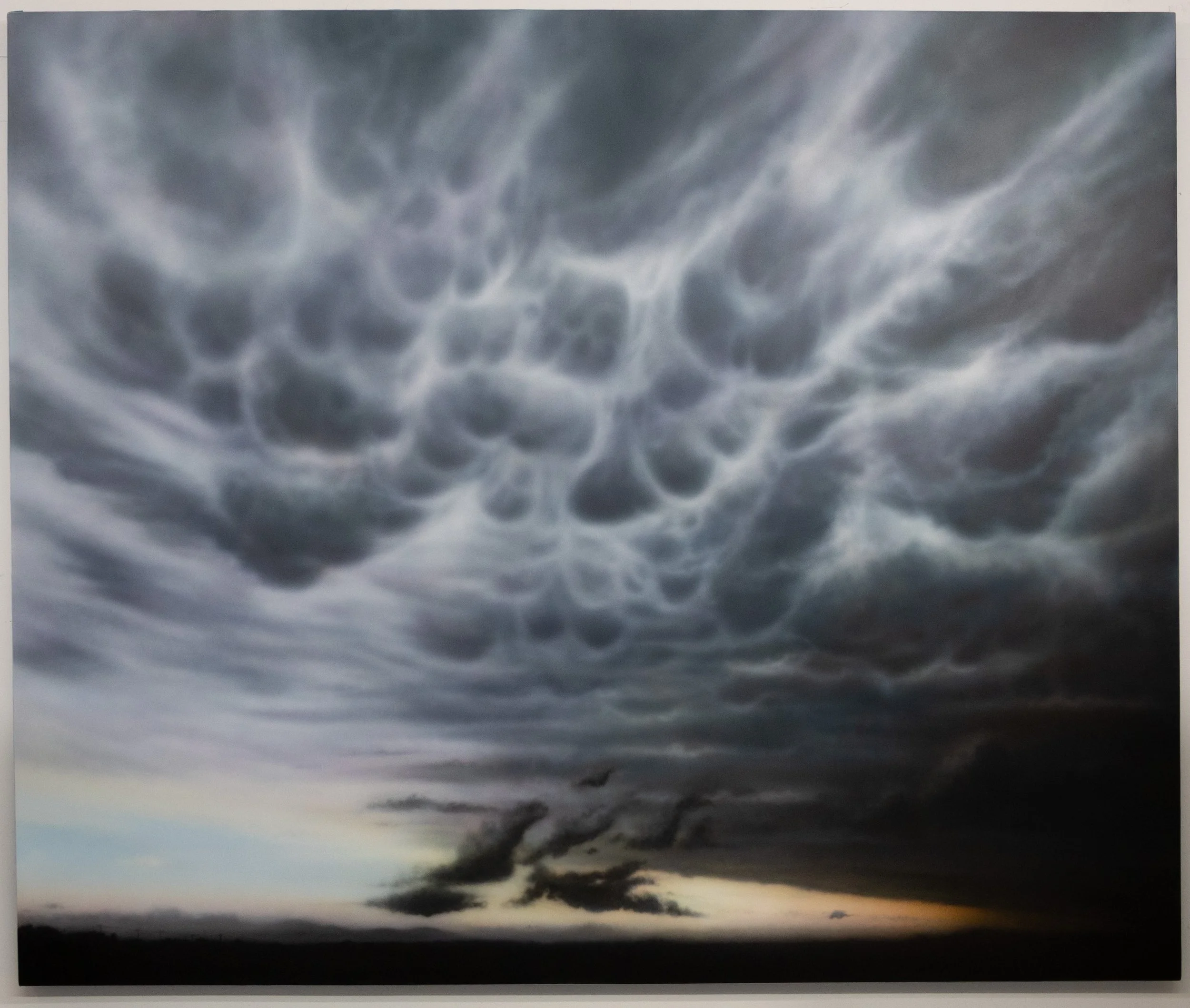
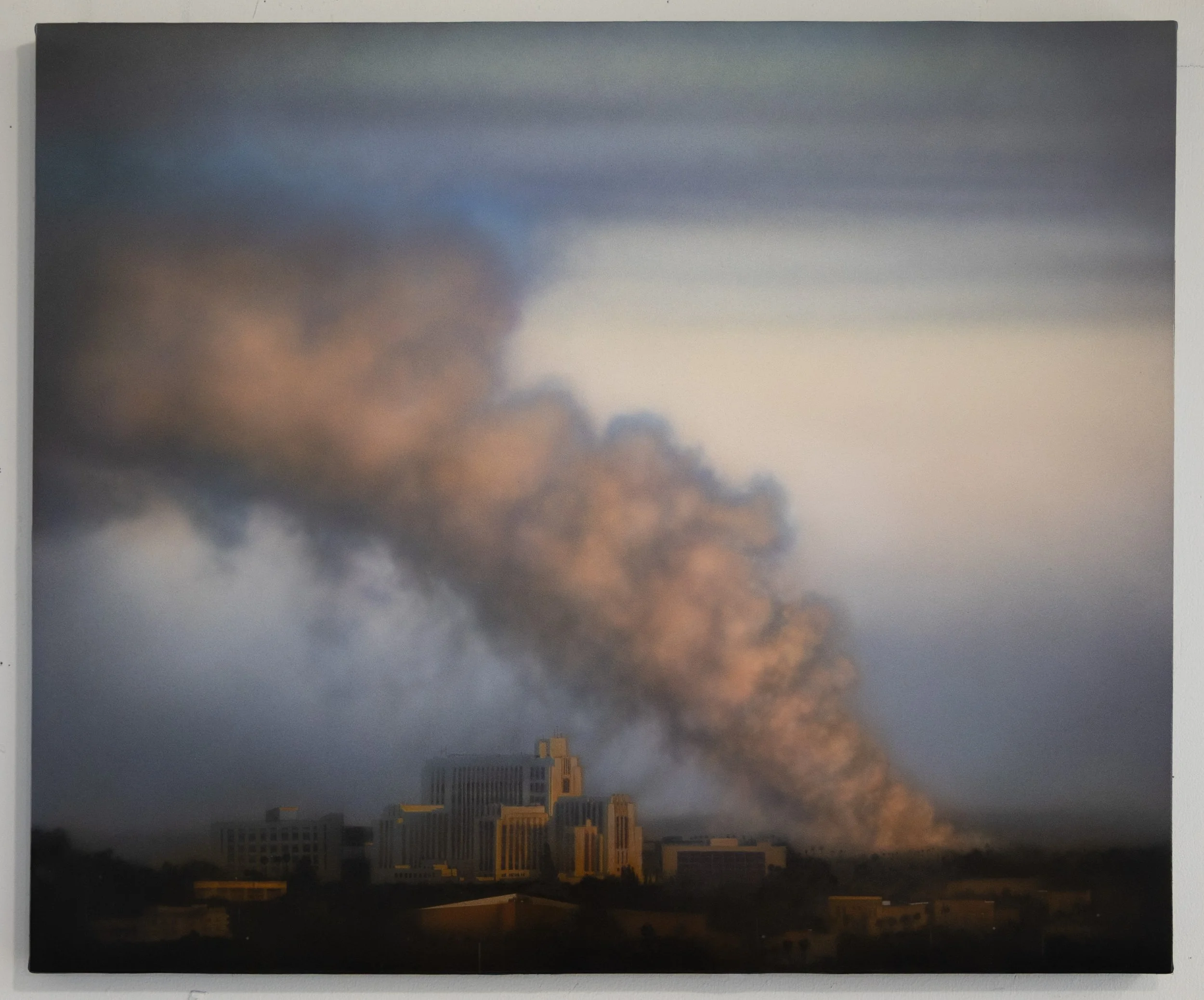
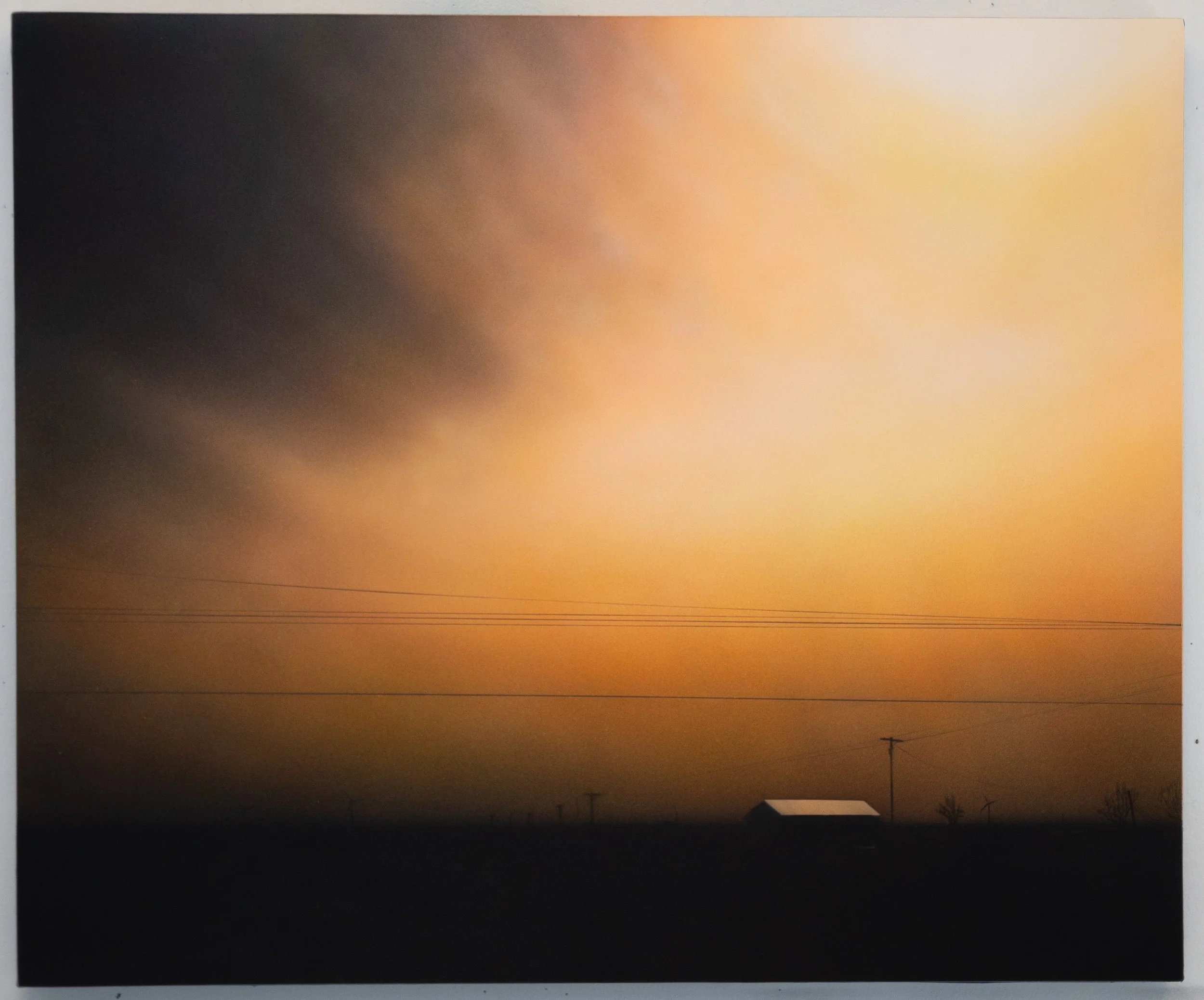
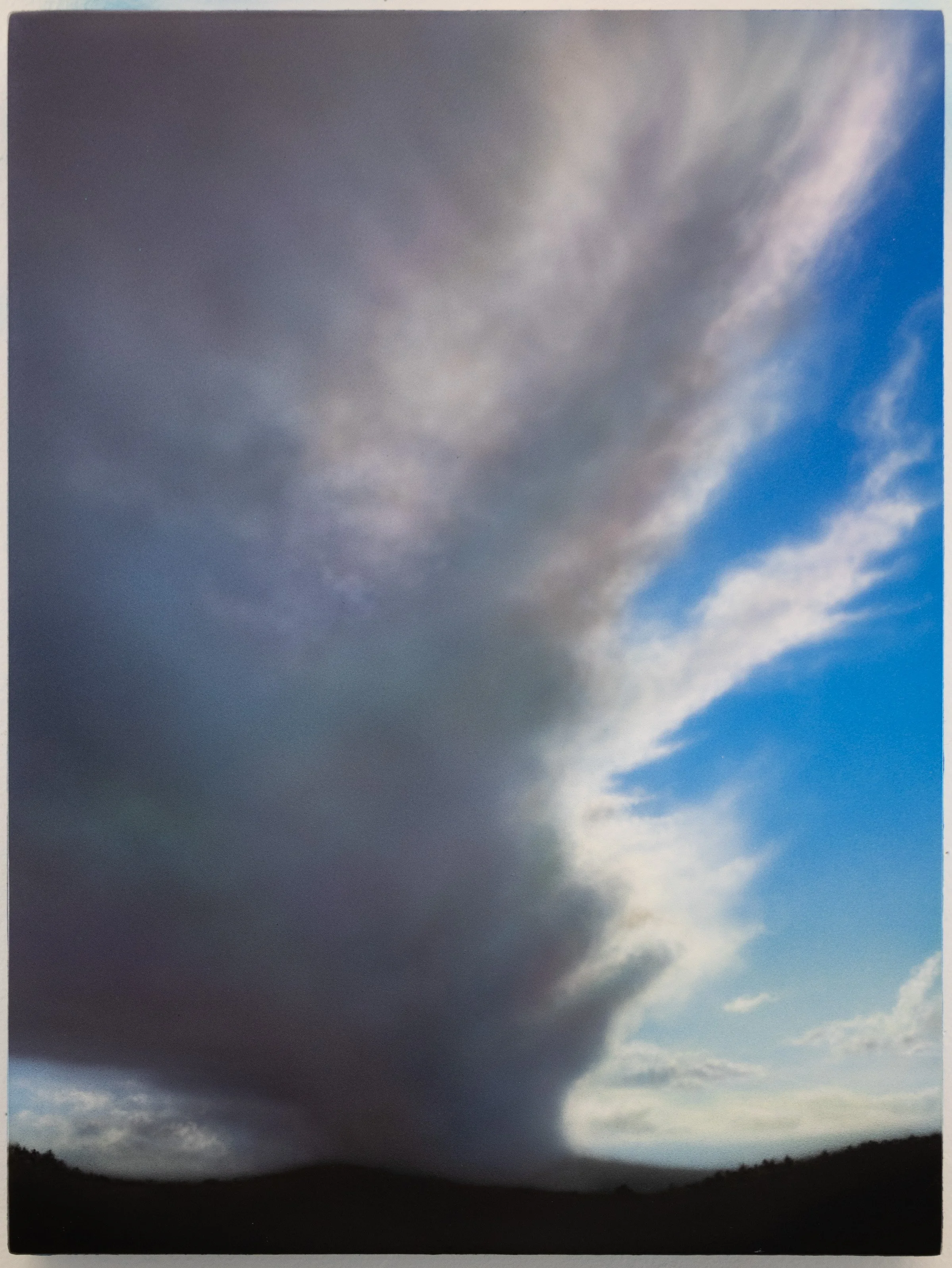
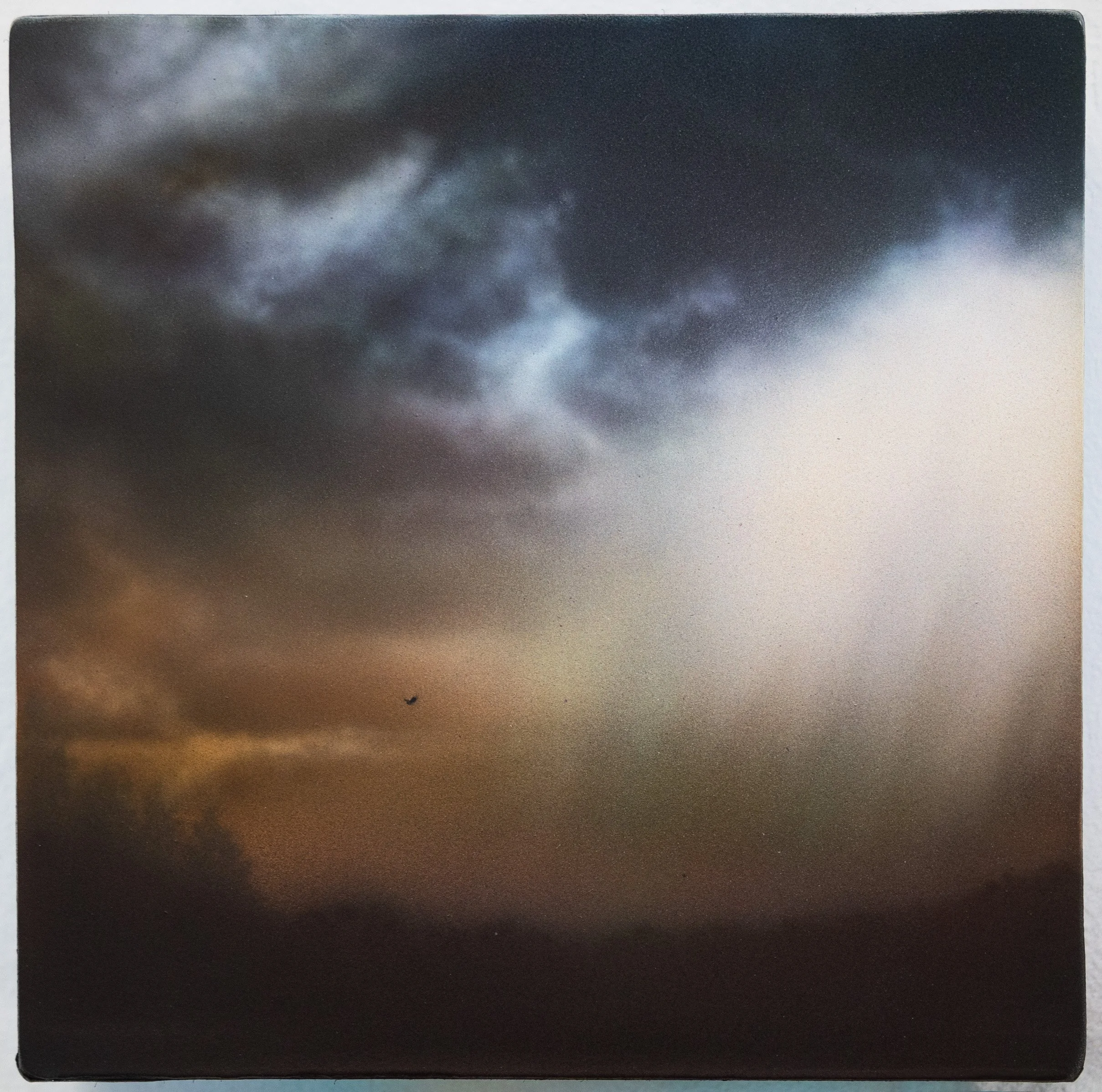
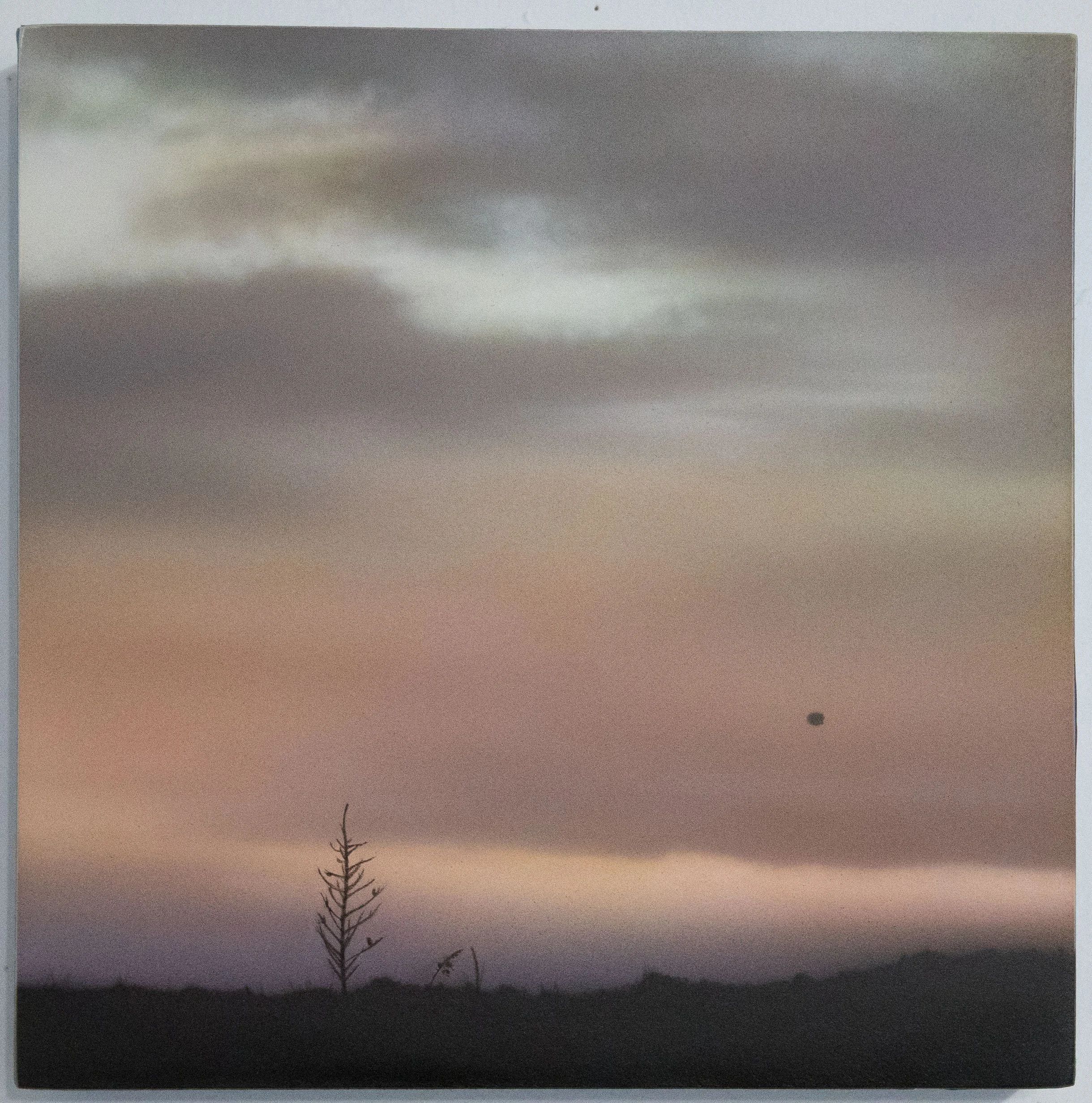
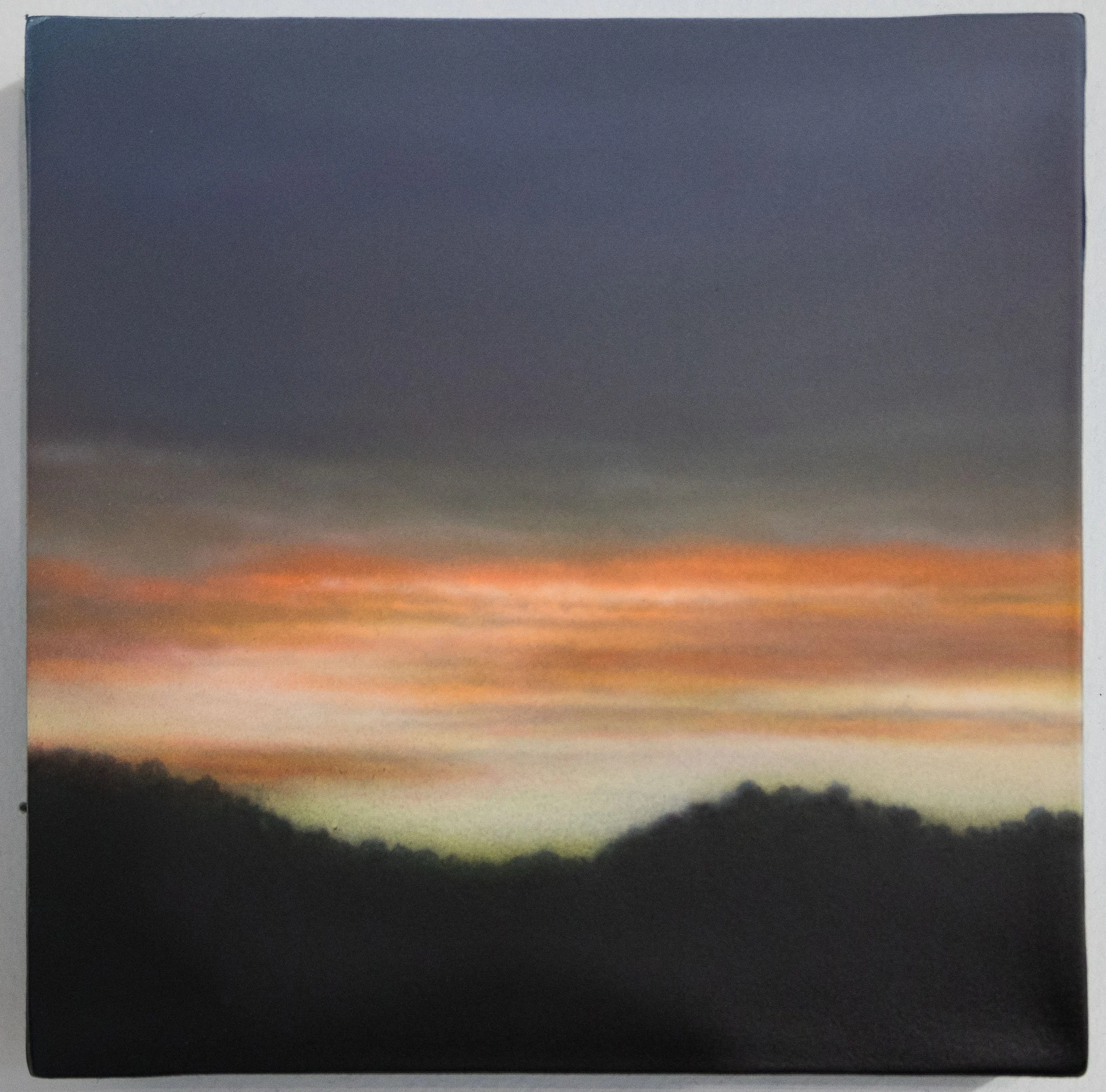
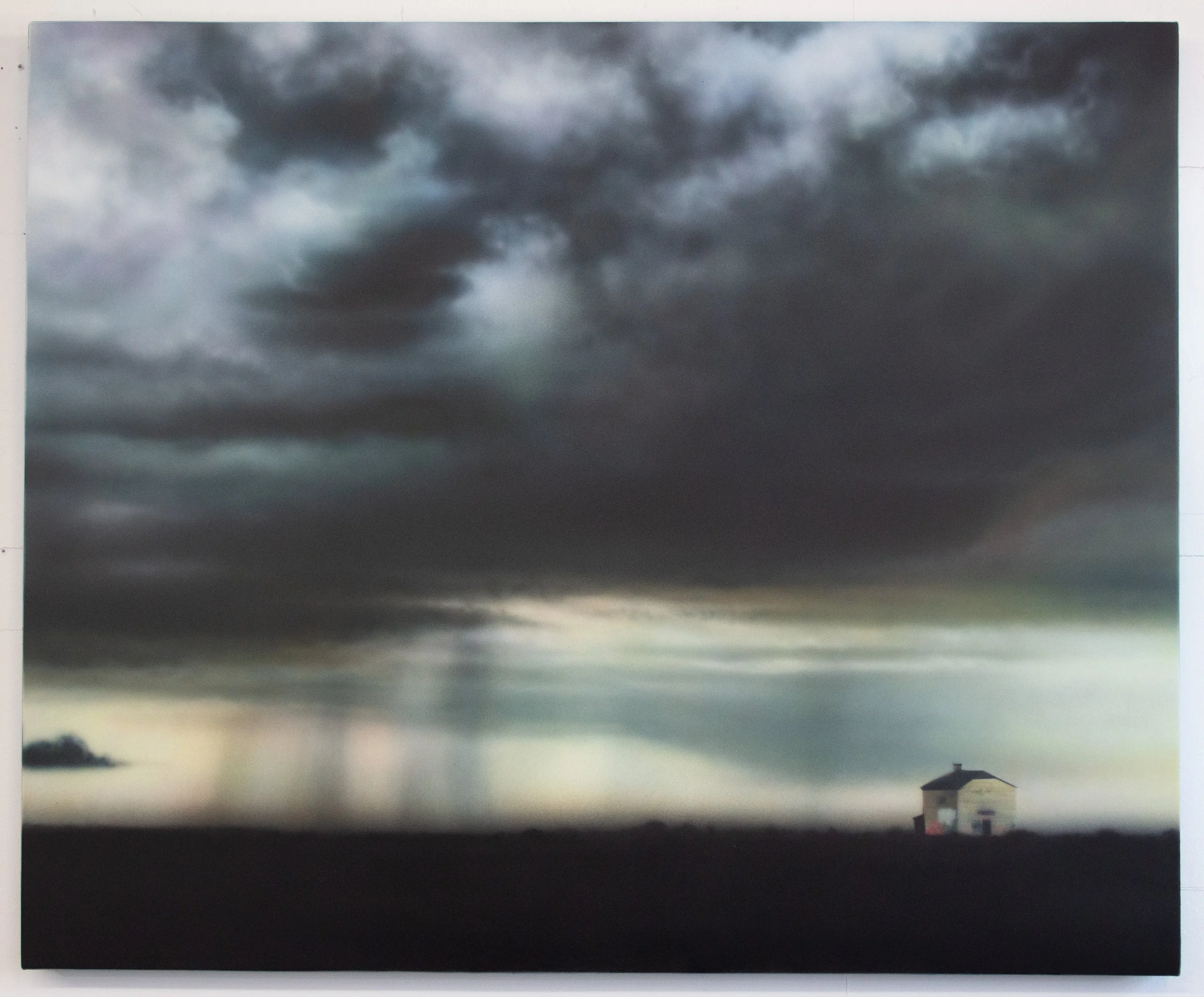
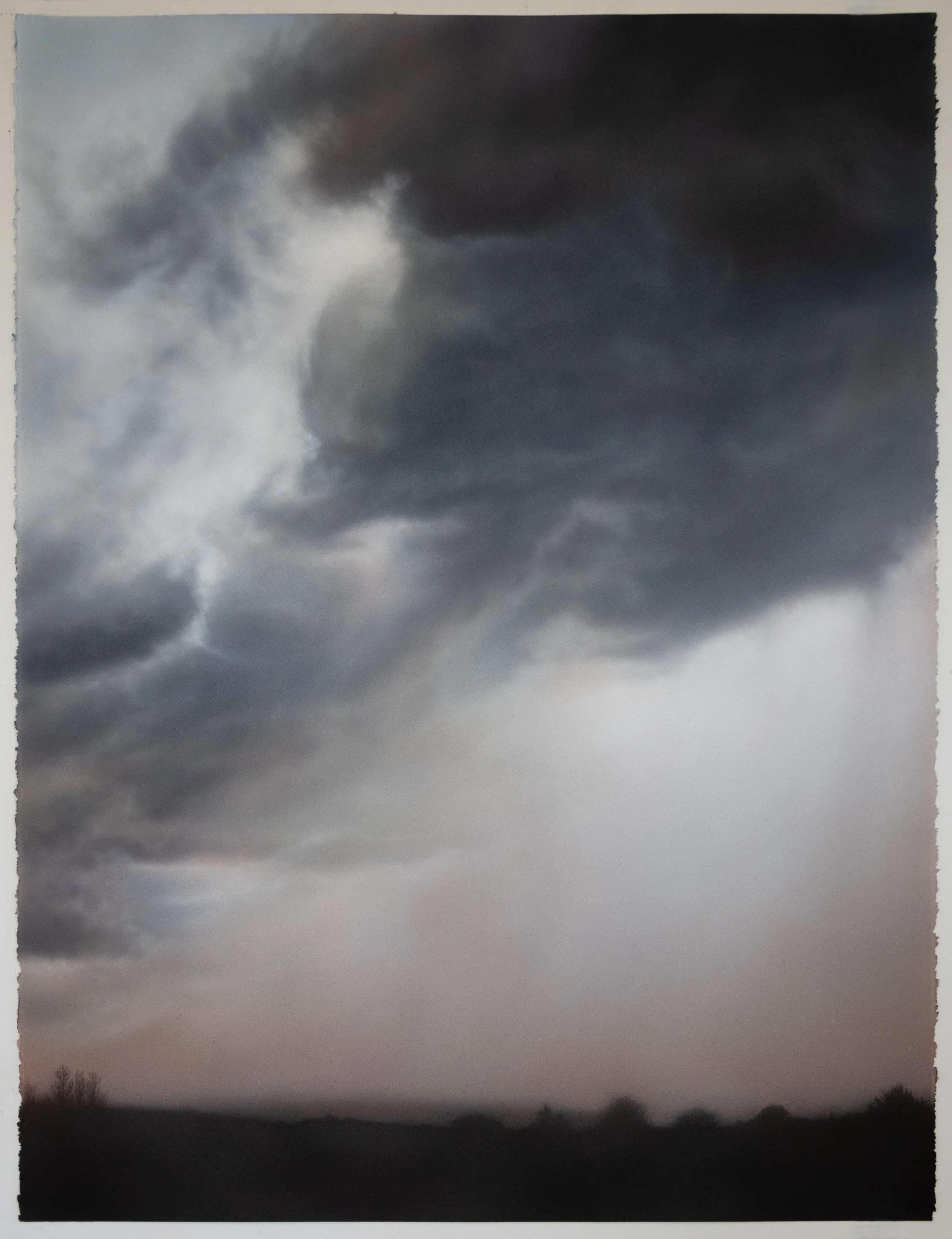
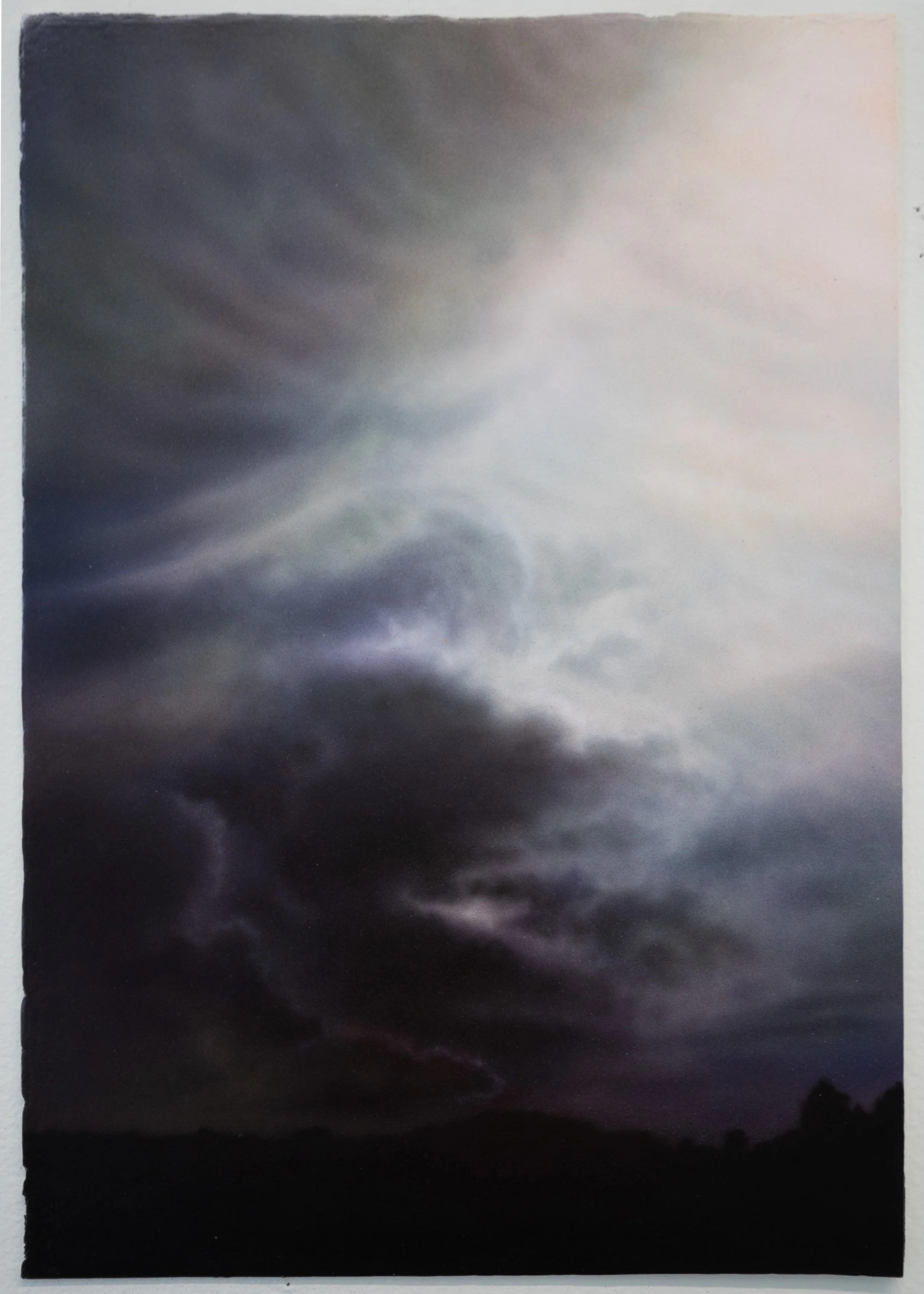
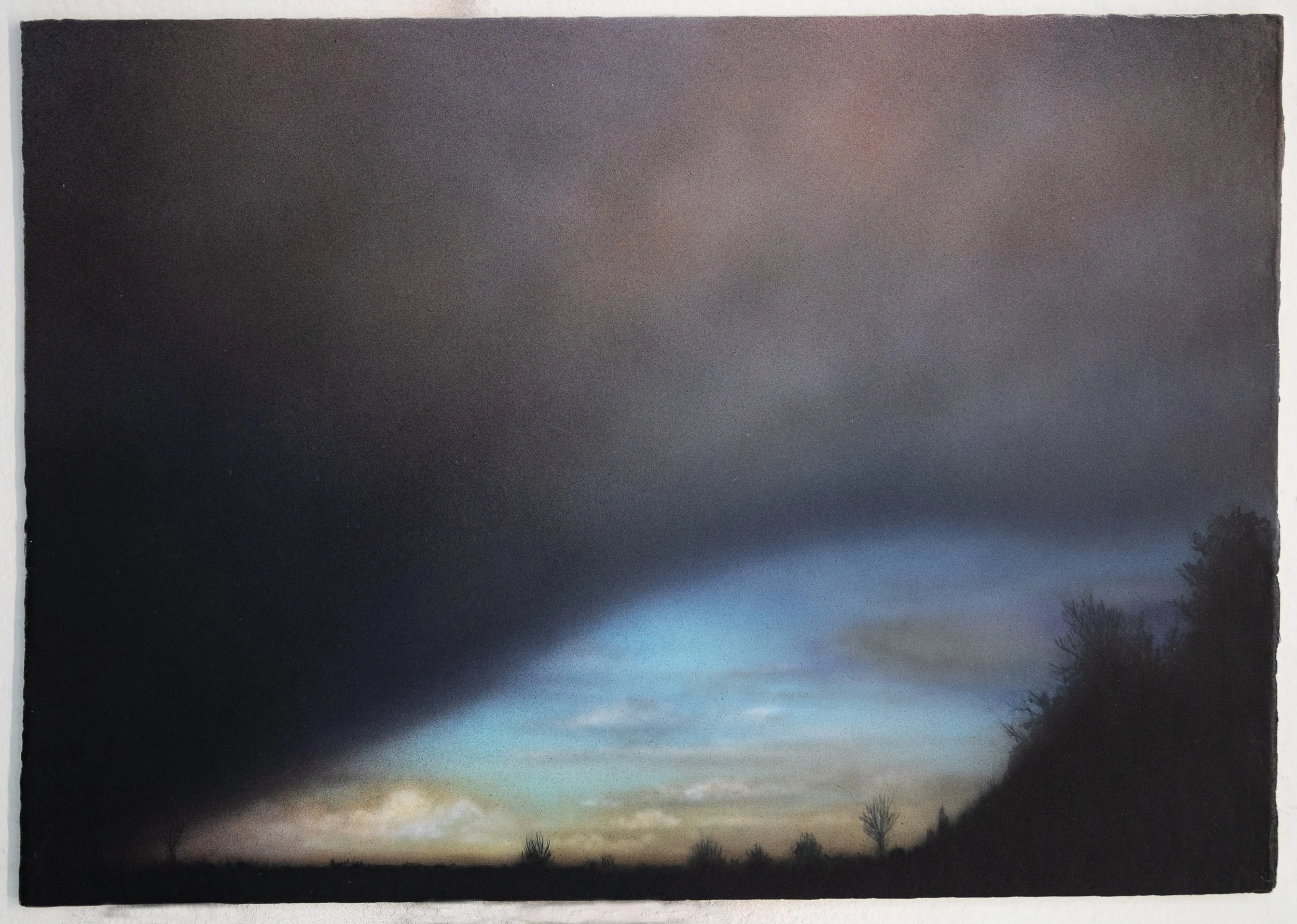
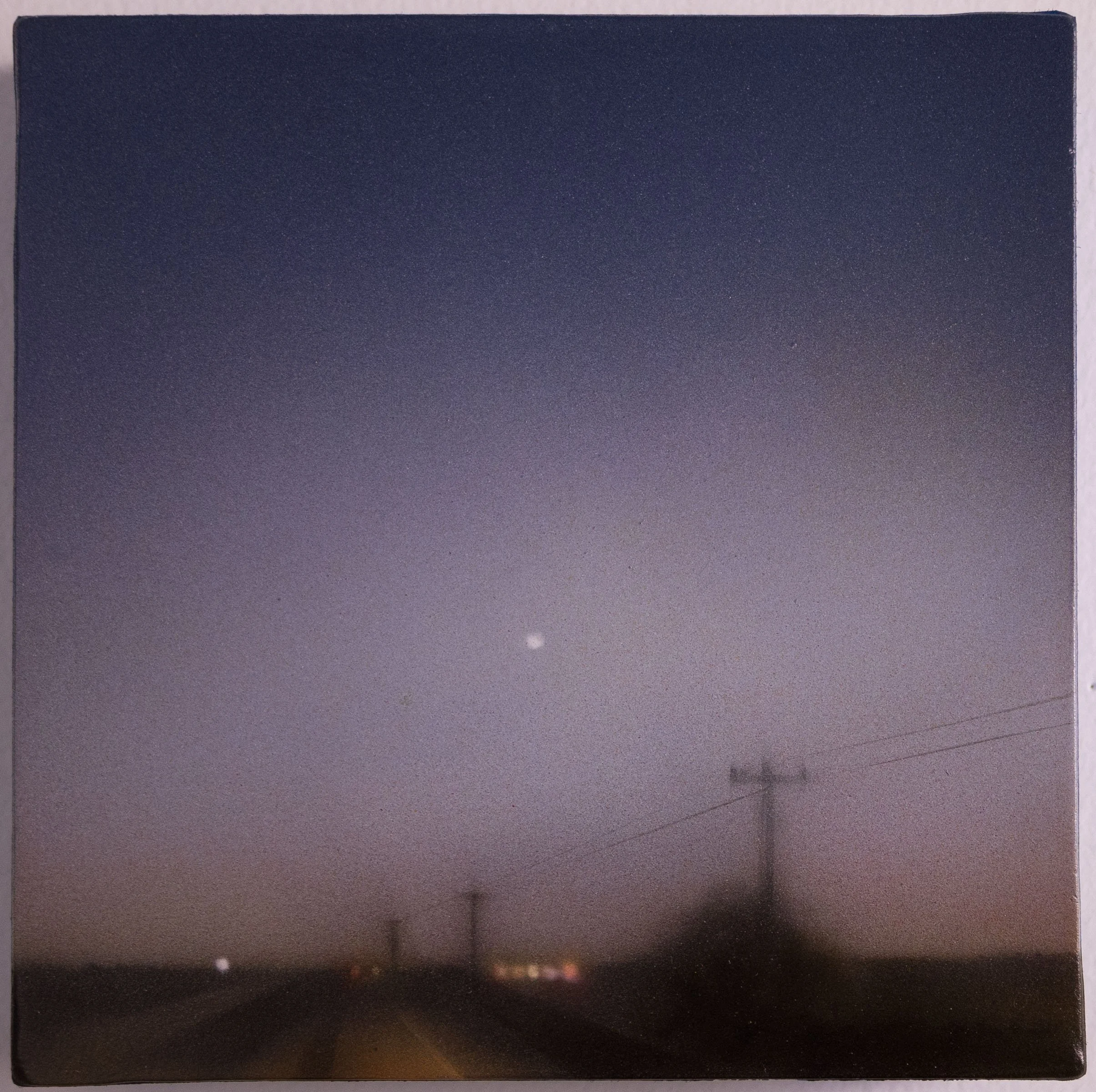
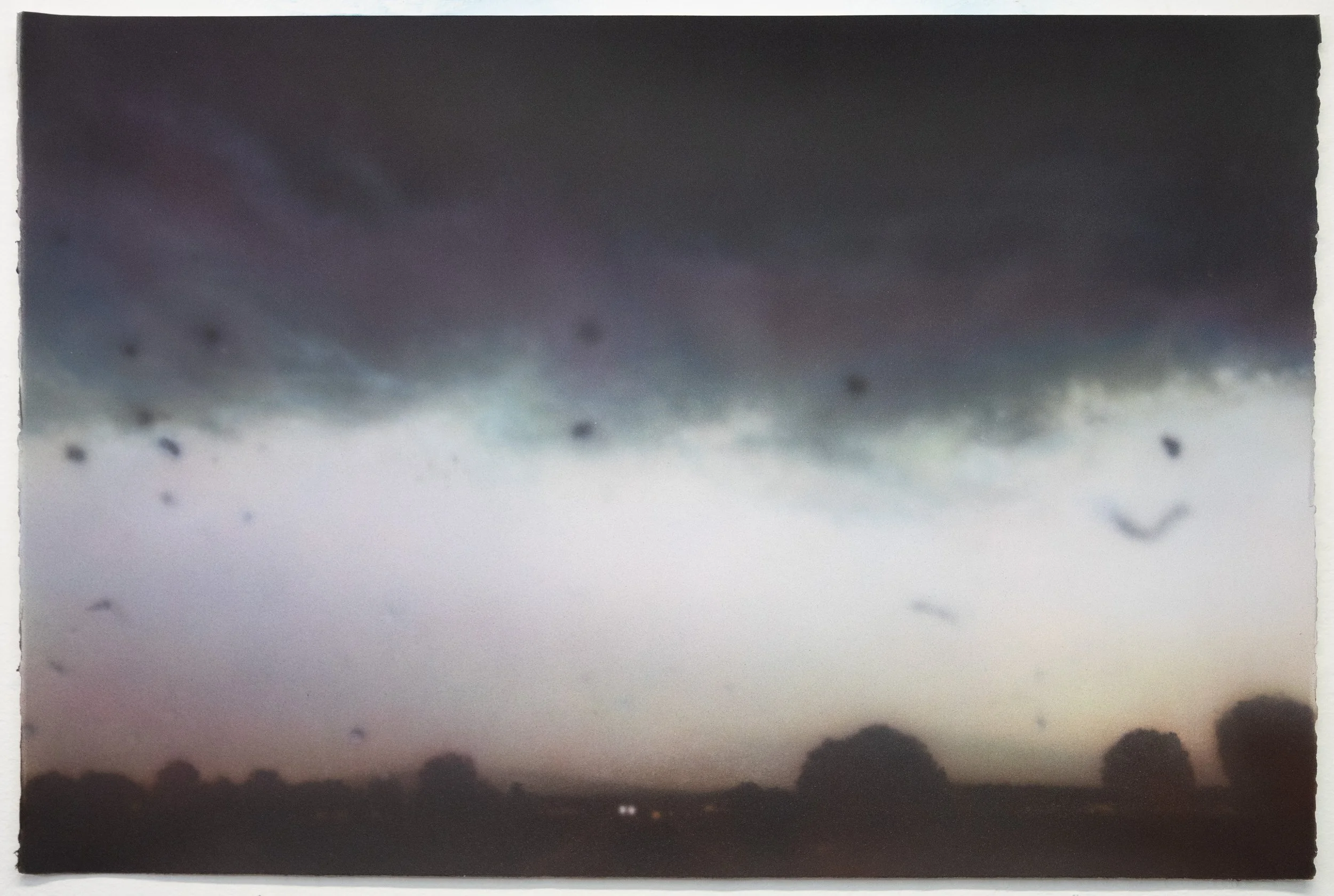
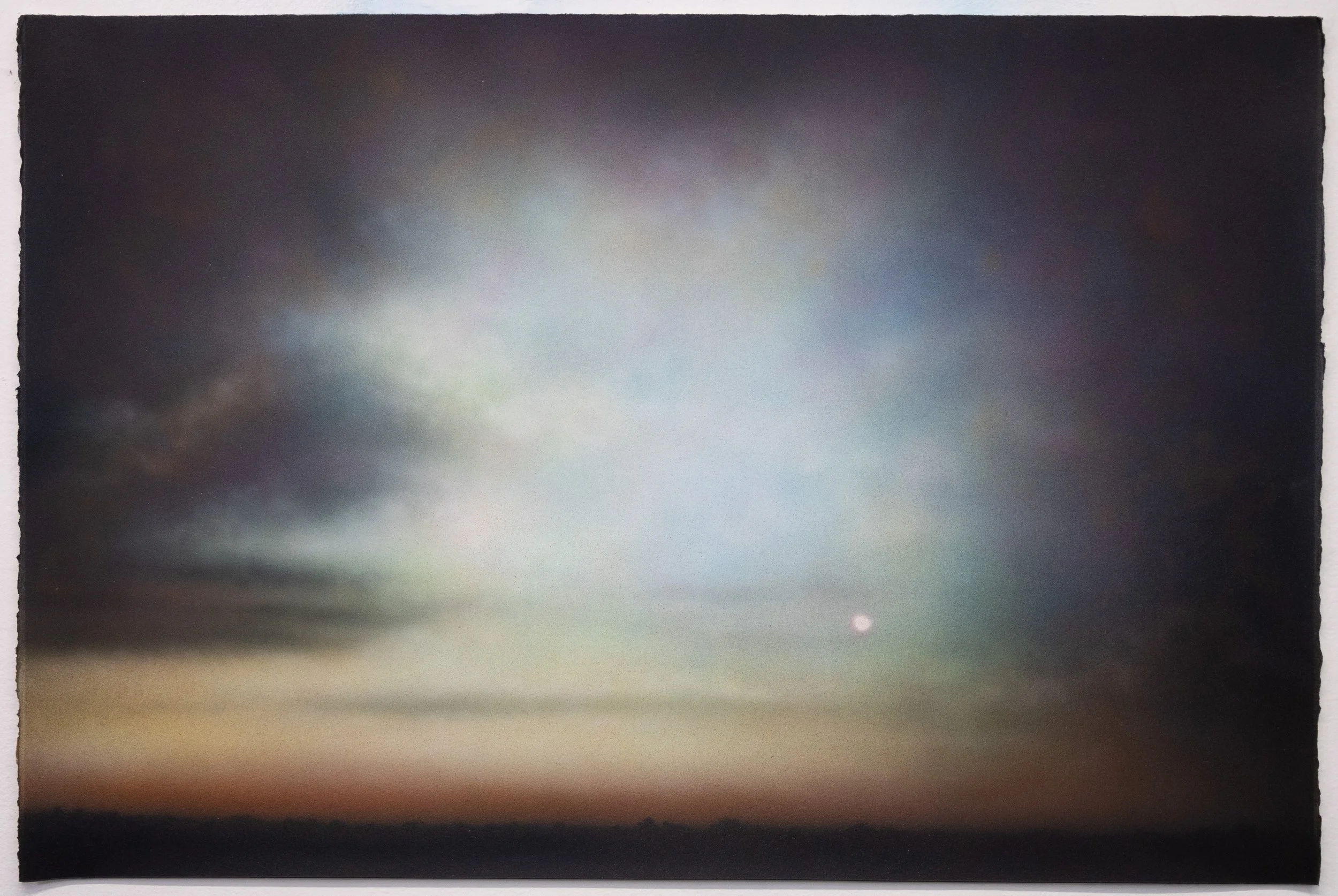
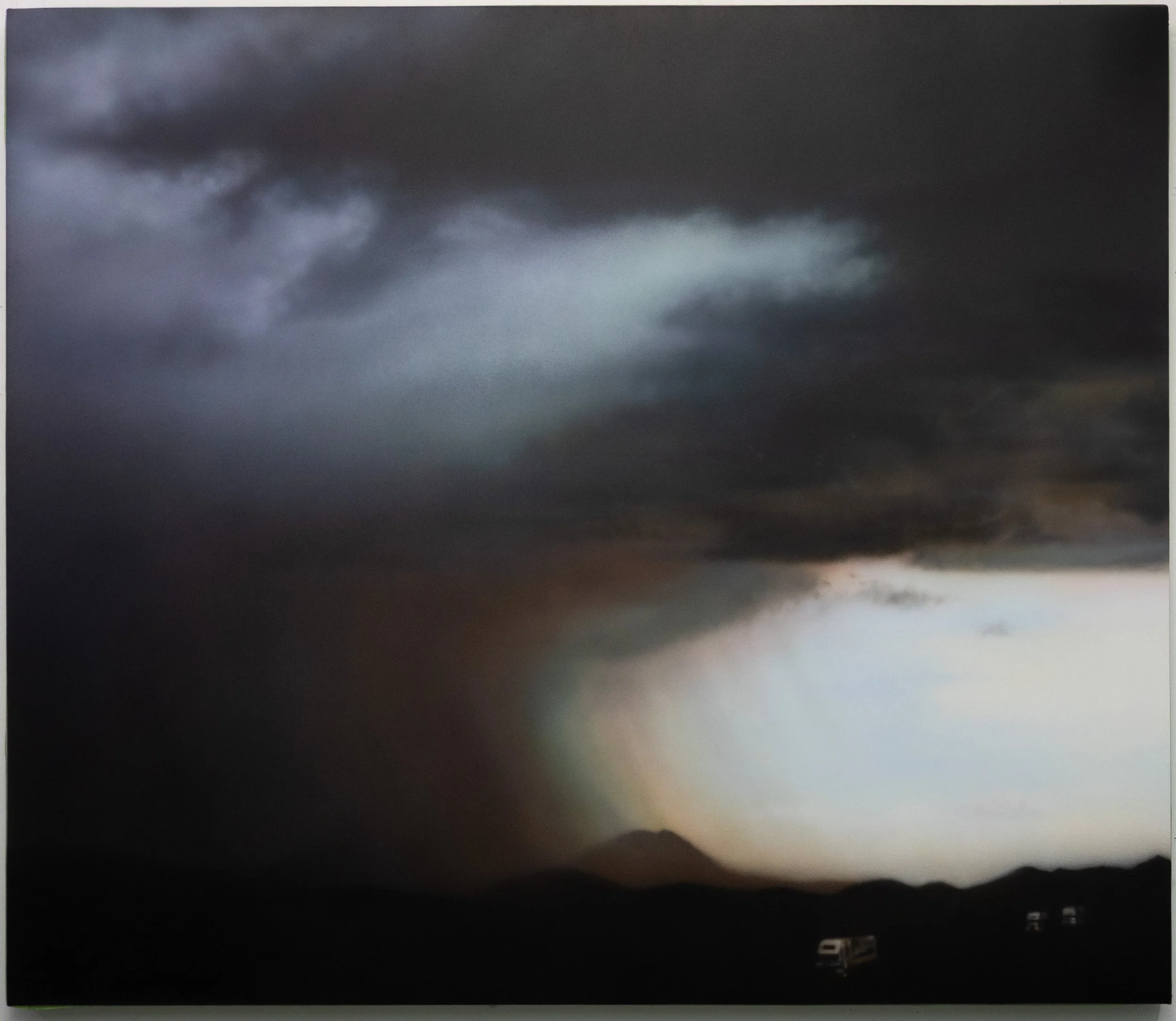
I regularly travel to photograph the landscapes and skyscapes which serve as the primary source material for my work. Experiencing and documenting these scenes firsthand is vitalto my creative process, as my focus on extreme weather events within the landscape
serves as a vehicle to address broader issues concerning politics, the environment, and societal anxieties. Travel has been a key part of my creative process for over two decades; new landscapes, changing light, and experiences in new spaces fuels my work as I attempt, always, to capture the ineffable.
This spring, I undertook a road trip that circled the nation, a quest to observe the lay of the land inspired by walking the fence line at the Alskär House artist’s residency in upstate New York. The phrase, “the lay of the land" refers to the geographical terrain in the literal sense. As an idiom, it describes how one gains perspective into an unfolding situation. It can mean to reconnoiter, to check the perimeter, to see what’s what and who’s who.
Road trips move me from the fixed point of normal life into a state of constant changing and experiencing, providing me the opportunity to think and re-think what I think I know about the nation, the world, and my own life. The unexpected always upends my best laid plans: reading Marx with Uncle Bo, gold paint and art supplies, exploding trees and tumbleweeds, the last visit to the farm, sleeping in the blue room, hurtling towards a destination with hope in my heart; a road trip is about what I’m looking for, what I’m seeking, and most importantly, allowing for the unexpected.
I’ve spent over twenty years photographing and painting weather as it continues to change and become more extreme. Lately, I’ve been collecting 1972 almanacs that chart the climate, political events, astrology and interesting miscellany from the year I was born. My grandfather used the almanac, and so did my dad. We had a barometer in the living room. It would tell us if it was going to be CALM or STILL or STORMY. There are internal forces and external forces and maybe sometimes, in me, they are always fighting. How long does it take to know a thing?
The landscapes observed and painted by the Hudson River School painters no longer exist, looking at their work provides a window to a world that’s gone. The mutable landsdcape, the mutable home, the mutable world. They sought the far way places, hard to reach. Maybe now the hardest places to reach are not physical, but rather, places of privacy and agency, sovereignty…away from constant surveillance, inside the mind. When I am traveling, I think about how gravity tugs at every rock fragment and water molecule, slowly modifying every landform. Sometimes even that deceptively quiet process has catastrophic outcomes. The landscapes I paint and photograph are reflective of all these things.
In art school, a teacher made us memorize the map of the United States. As a group we were assigned to draw the map from memory, crowd sourcing the nation. We each added our home state and others we could recall, resulting in a nation distorted by perception, memory and notions of home. A student from outside the United States protested the exercise, drawing a large circle and adding the rest of the world.
How can we comprehend the body politic when we don’t even know the lay of the land?
Maybe our inability to remember borders-shapes-states is rooted in older understandings of the land, that our boundaries are meaningless. The globe I learned in the 80’s is not the globe today. Those who wish to claim the land plant borders as aggressively as possible, large walls, fences, patrols and controls. In time, all of this will disappear, too.
I can feel it in my bones. The deep dark. The American condition. A much larger darkness that feeds on separateness and isolation. No end in sight. Nonetheless, I hold hope against hope. In like a lion, out like a lamb.
I would like to thank the Alskär Residency program in East Nassau, New York, and the Jen Tough Artists Residency Program in Santa Fe, New Mexico for their support and for making this work possible, and the California State University, Northridge, for the Sabbatical that afforded me the time to “think my thoughts” and make these paintings. My enteral gratitude to my husband, Andre Yi, and my dear friend Katherine Shoepflin, both artists who accompanied me during travel for this show, providing emotional support, witty banter, astrological forecasts, snacks, spontaneous news reporting, and of course, by taking turns at the wheel.